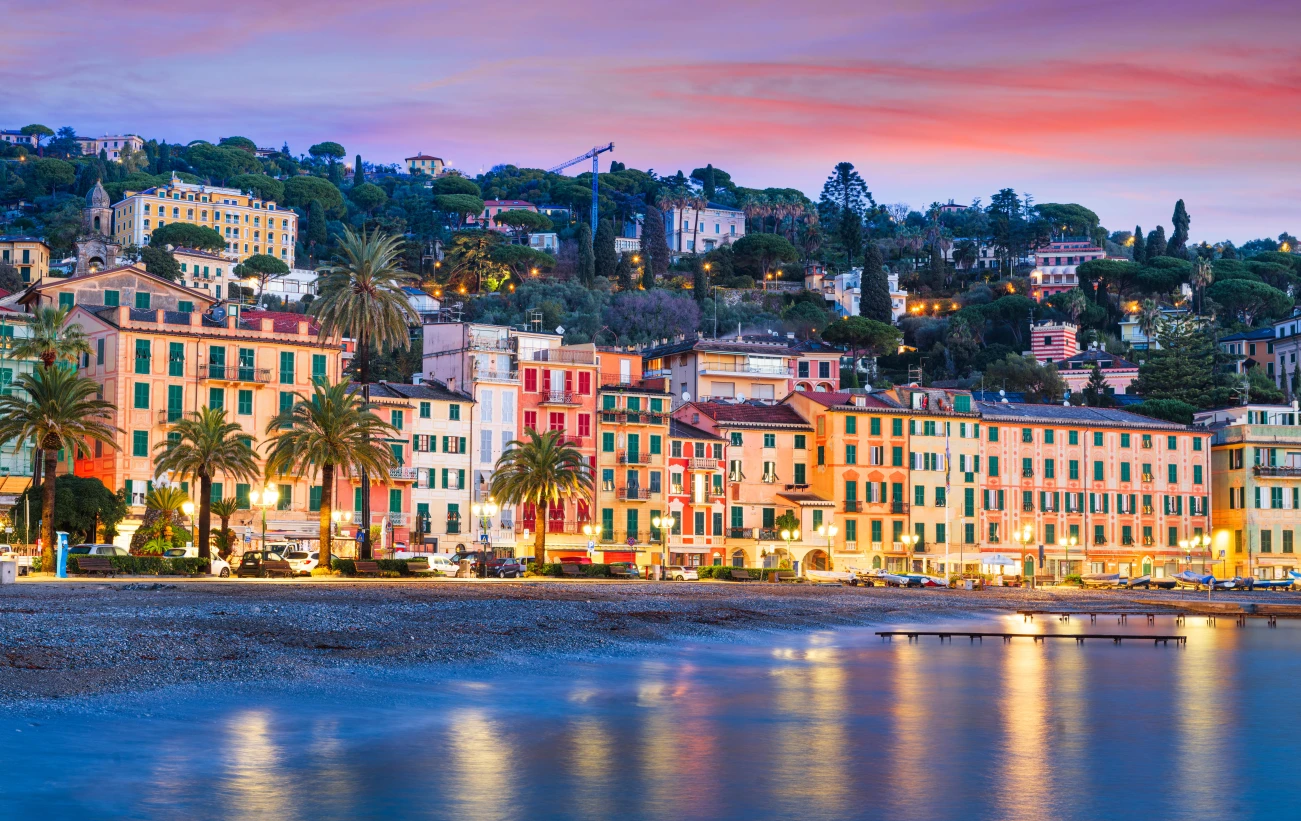
Santa Margherita Ligure
15 min bus
This town serves as the primary gateway to Portofino and provides a more traditional seaside atmosphere with a large harbor and colorful promenade.
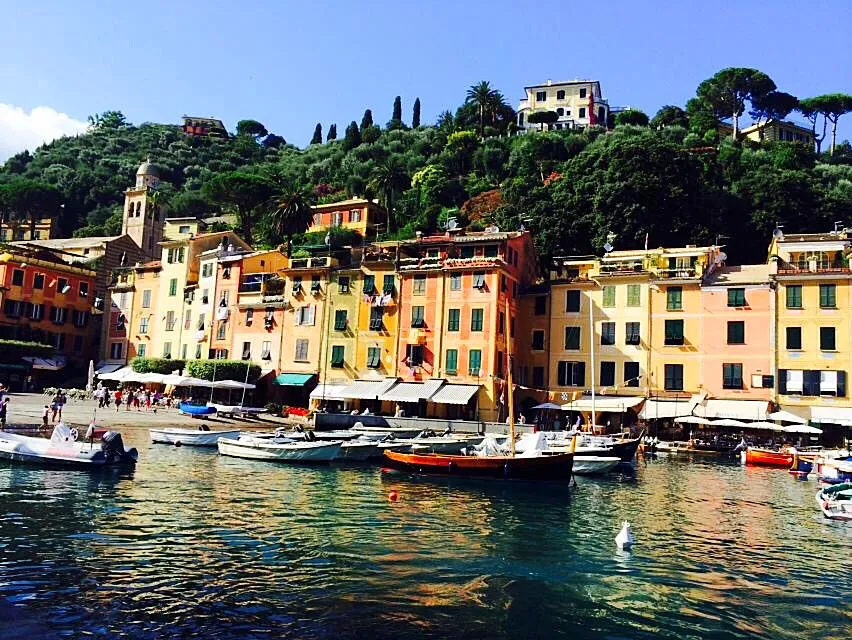
Portofino sits at the end of a peninsula with no direct rail link, but the journey from Milan is straightforward once you understand the two-leg structure. This guide walks you through the regional train to Santa Margherita Ligure, the connecting bus to the village, and the timing that lets you maximize your day on the Ligurian coast.
Quick answer
A milan to portofino day trip by train requires two legs: a regional or intercity train from Milano Centrale to Santa Margherita Ligure (roughly 2.5 to 3 hours), then a local bus (Tigullio line 882) for the final 6 kilometers to Portofino (15 minutes). Trains run hourly throughout the day; buses depart every 15 to 30 minutes from the station forecourt. Arriving between 09:00 and 11:00 lets you explore the harbor and trails before the afternoon surge.
Portofino has no railway station. The village occupies a protected harbor where the Apennine foothills meet the sea, and the only mechanical access is by road or water. Santa Margherita Ligure, 6 kilometers to the northwest, serves as the rail gateway: every visitor arriving by train from Milan disembarks there and completes the journey by bus, taxi, or on foot along the coastal path. The milan to portofino day trip by train begins at Milano Centrale, where Trenitalia operates regional and intercity services to the Ligurian Riviera. Regionale Veloce trains stop at Genoa Piazza Principe and Genoa Brignole before continuing to Santa Margherita Ligure; InterCity services shave 20 to 30 minutes off the journey but require advance reservation. Departure frequency is consistent—trains leave every 60 to 90 minutes from early morning through evening—so you can tailor your outbound and return times to the rhythm of your visit. The route hugs the coast south of Genoa, offering glimpses of the Golfo Paradiso and the terraced hillsides that define the Italian Riviera. Once you reach Santa Margherita Ligure, exit the station and cross the forecourt to the bus stop marked for Portofino. The Tigullio line 882 is the workhorse of this final segment, running every 15 minutes during peak season and every 30 minutes in the shoulder months. The ride climbs through umbrella pine and olive groves, then descends into Portofino's piazzetta, depositing passengers a two-minute walk from the harbor. Cash and contactless cards are both accepted on board; tickets cost a few euros and are valid for 90 minutes. The village itself is compact—fewer than 400 permanent residents, a single main square, and a network of footpaths radiating toward Castello Brown, the lighthouse at Punta del Capo, and the church of San Giorgio. Portofino is open to the public year-round with no entrance fee; individual sites such as the castle and certain museums charge admission. The harbor promenade and the trails to the promontory viewpoints remain accessible at all hours, though shops and restaurants observe seasonal schedules. Returning to Milan reverses the sequence: bus from Portofino to Santa Margherita Ligure, then any northbound regional or intercity train to Milano Centrale. The last useful connection typically departs Santa Margherita Ligure around 20:00, allowing a full day on the coast before the evening return.
“Santa Margherita Ligure serves as the rail gateway: every visitor arriving by train disembarks there and completes the journey by bus, taxi, or on foot along the coastal path.”
Portofino is located on the Italian Riviera and is best reached by combining a regional train from Milan to the coastal town of Santa Margherita Ligure, followed by a short bus ride or ferry.
Milano Centrale to Santa Margherita Ligure-Portofino
Line 882 from Santa Margherita Ligure station to Portofino
Ferry from Santa Margherita Ligure port to Portofino
For the most efficient arrival in the village, plan to arrive between 09:00 and 11:00 to avoid the peak afternoon congestion in the small village center.
This plan suits travelers departing Milan early and returning by evening, balancing transit and village exploration. The round trip takes roughly 10–12 hours door-to-door.
Board the first Intercity or regional service toward Genova; the journey takes approximately 1 hour 40 minutes. Reserve a seat during summer weekends.
Exit the train and follow signs to the bus station adjacent to the railway platform. Buses to Portofino depart every 20–30 minutes and take 20 minutes.
Walk the harbor front, photograph the pastel façades, and explore the narrow lanes behind Piazzetta. The village center is compact—allow 1–2 hours for a leisurely circuit.
Follow the signed footpath from the harbor; the climb takes 15 minutes and rewards with elevated views over the bay. Entry to the castle grounds may carry a separate fee.
Claim a table at one of the waterfront trattorias or pick up focaccia from a bakery. Prices are tourist-tier; budget accordingly.
The lighthouse trail takes 30 minutes each way; San Fruttuoso requires 2.5 hours one-way and a boat return. Choose based on your departure window.
Catch the bus back to Santa Margherita Ligure, then board a Milan-bound train. Confirm the last direct connection before you travel.
Evening services land you back at Centrale between 19:00 and 20:30, depending on your chosen departure slot.
There is no cost to enter the village of Portofino. Visitors should primarily budget for transportation expenses as all other access to the village center is free.
Verdict: A typical visitor pays 0 EUR for village entry, though individual museums or specific private attractions within the area may require separate ticket purchases.
Portofino is a public village accessible to visitors at all hours throughout the week. This allows travelers arriving by train from Milan to explore the area according to their own schedule.
The rail line connecting Milan to the coast passes several distinct towns that offer a quieter pace and different architectural perspectives. Integrating these stops allows you to experience the diverse character of the Ligurian Riviera while maintaining a manageable travel schedule.
15 min bus
This town serves as the primary gateway to Portofino and provides a more traditional seaside atmosphere with a large harbor and colorful promenade.
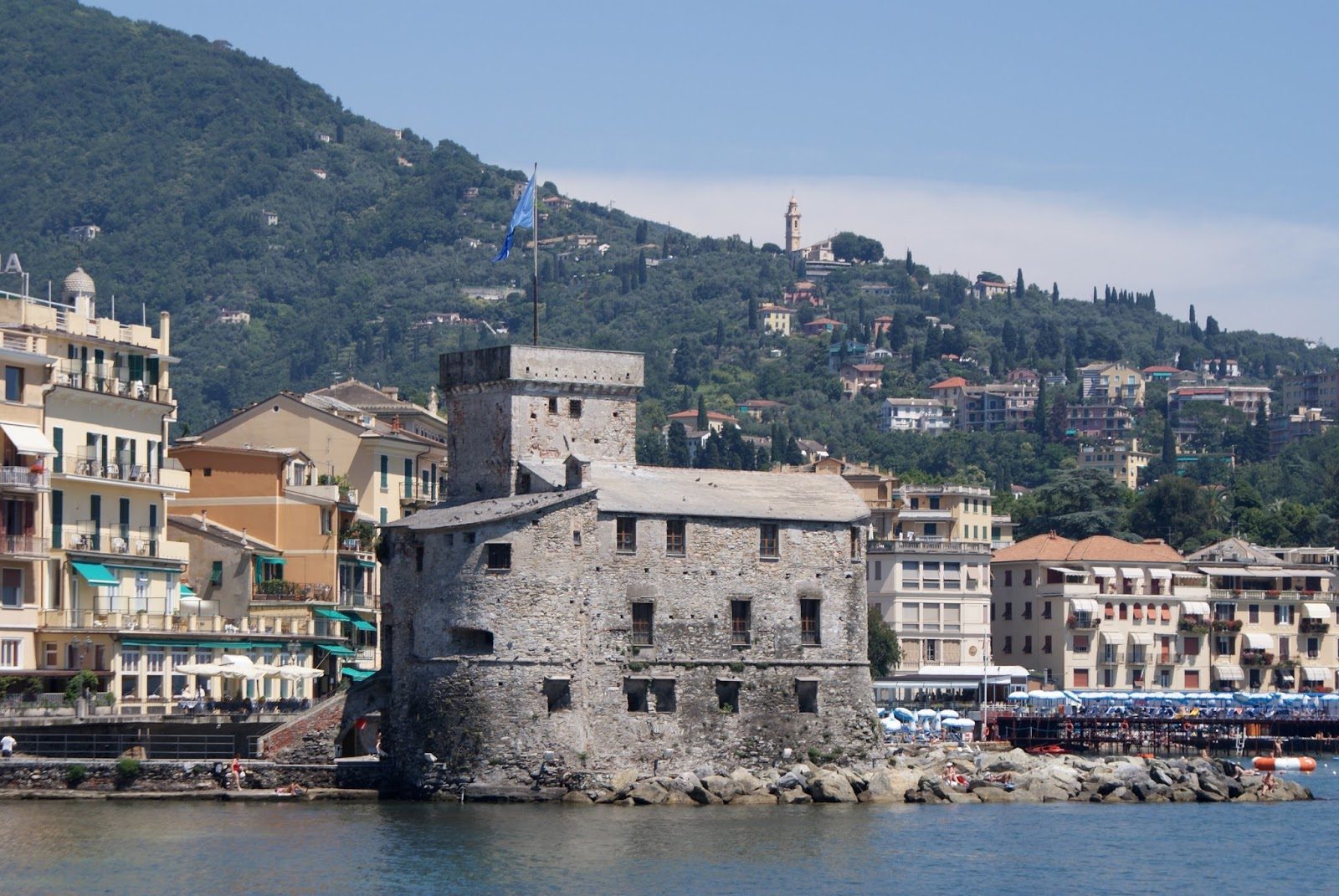
10 min train
Located on the same rail line, Rapallo features a historic castle situated directly on the water and a cable car that provides views of the coast.
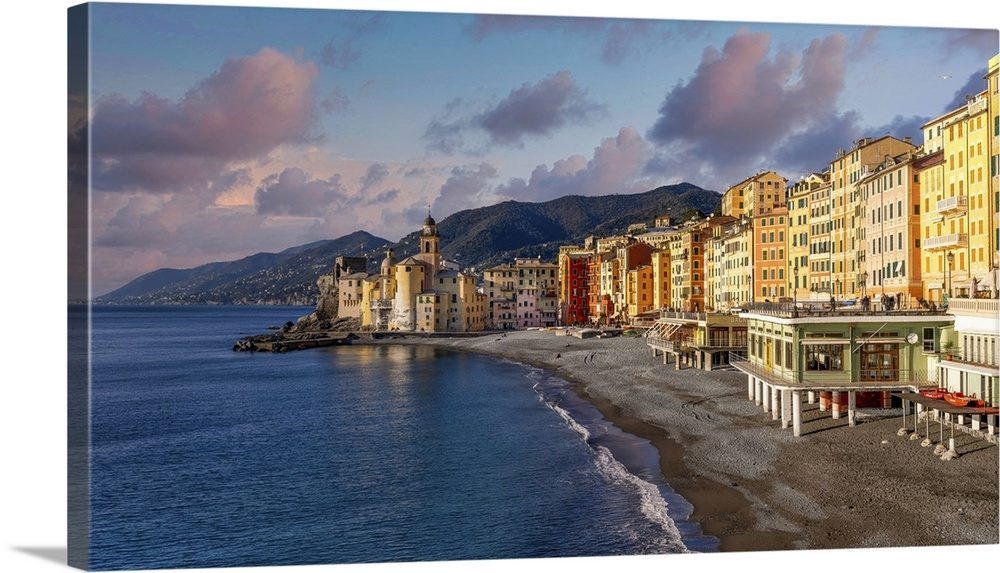
25 min train
Known for its tall, brightly painted buildings along the shore, Camogli is a fishing village that remains less crowded than Portofino while offering authentic coastal dining.
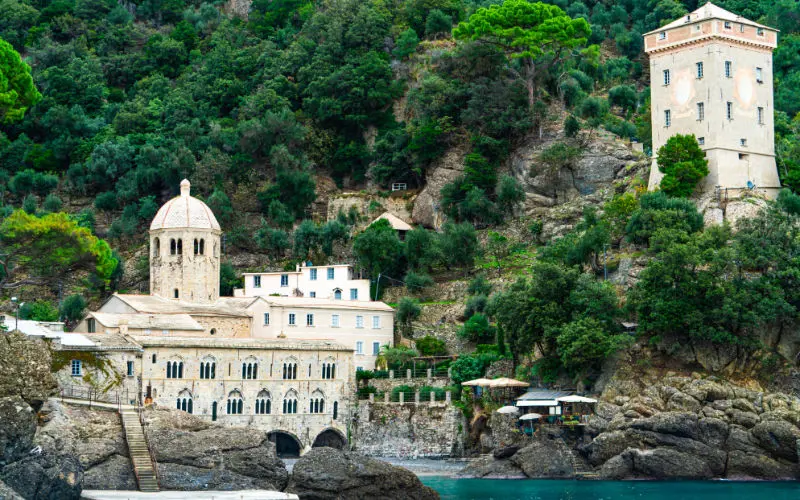
30 min boat
Accessible via a short boat ride from Portofino, this secluded bay houses a historic abbey and a submerged statue of Christ of the Abyss.
Everything you need to know about milan to portofino day trip by train
Yes, completing a milan to portofino day trip by train is possible with an early start. Most travelers combine high-speed rail with a regional connection to reach the Ligurian coast.
After arriving at Santa Margherita Ligure-Portofino station, you can take a local bus or a ferry to complete your journey. Taxis are also available outside the station for the short ride to the harbor.
The best arrival window is 09:00–11:00. Arriving early helps avoid peak afternoon crowds in the small village center.
There is 0 EUR fee for general village access. You are free to walk through the streets without a ticket.
The train ride typically takes between 2.5 to 3.5 hours depending on your connection. Planning your rail schedule in advance ensures a smoother trip to the Italian Riviera.
The village is compact and pedestrian-friendly, making it ideal for walking once you arrive. Comfortable footwear is recommended for navigating the historic cobblestone paths.
Many travelers fail to check local transit schedules for the return journey, leading to long waits. Always confirm your departure time from the station before heading back to the harbor.
While the village itself is free, individual attractions like museums may charge fees. Check at each specific site for their current admission rates.